

The back half of my uncle’s property in Texas had been swallowed by brush for as long as anyone could remember. Cedar saplings, tangled vines, a couple of stubborn stumps, and enough thorny undergrowth to snag your jeans if you got within ten feet of it. Every family gathering, someone would point at it and say, “We should really do something with that.” And every year, nothing happened. It wasn’t laziness. It was just that clearing land felt like one of those jobs that was too big to start on a Saturday and too complicated to figure out on your own.
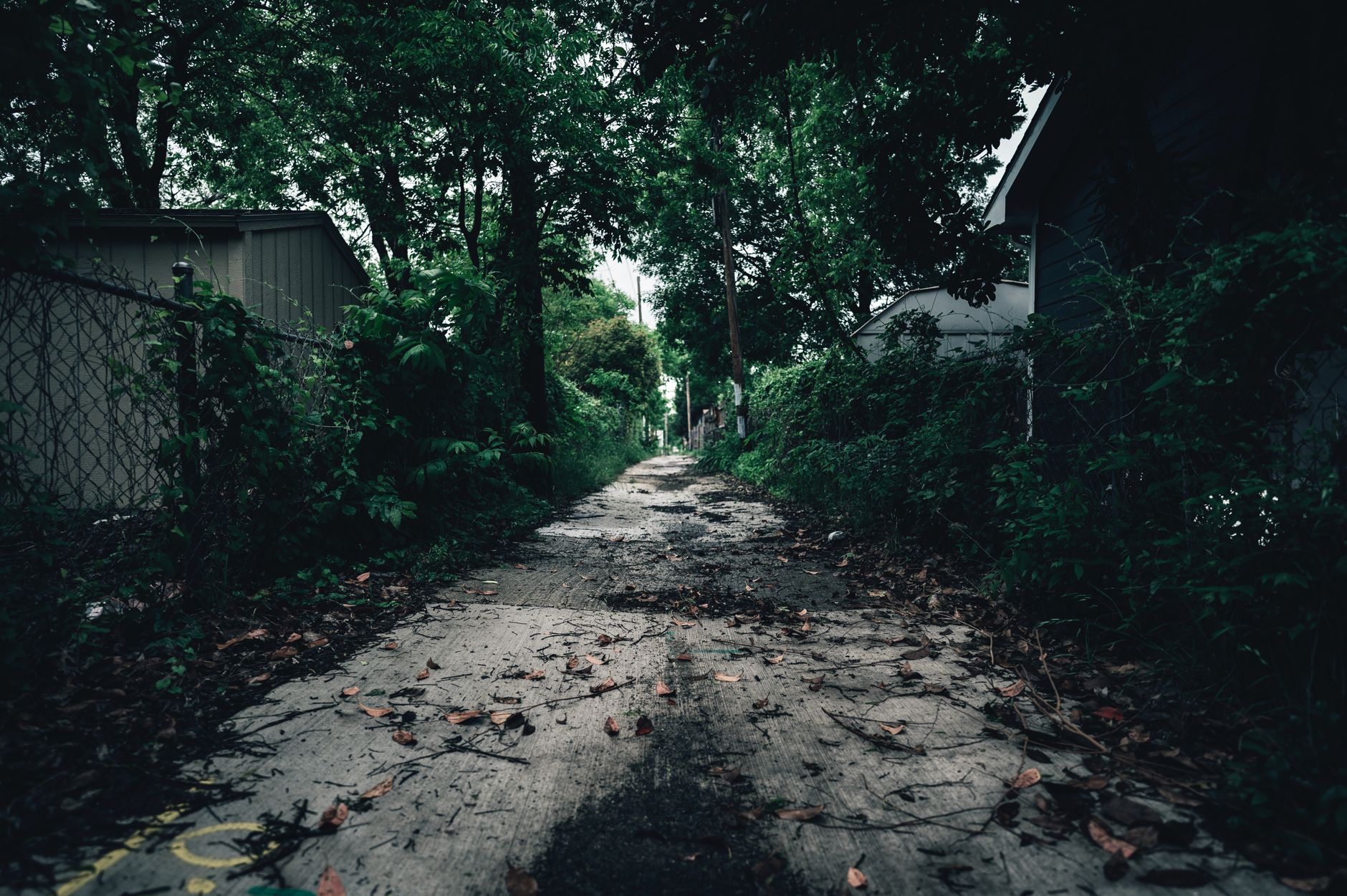
If you own even a modest piece of land in Texas, you probably know the feeling. There’s the corner you wanted to fence for a garden, the spot you imagined for a workshop, or the patch that keeps growing wild no matter how many weekends you spend hacking at it with a chainsaw. At some point, the wishful thinking runs out and you start wondering who actually does this kind of work.
Why Land Rarely Clears Itself
Brush and trees have a way of quietly taking over. What starts as a few weeds becomes a thicket, and a thicket becomes a fire hazard or a haven for snakes and mosquitoes. In a lot of the state, the soil and climate practically encourage things to spread. Skip a season of maintenance and you can lose real ground.
The tricky part is that clearing land isn’t just about cutting things down. There’s the question of what to do with all the debris, whether stumps need grinding, how to avoid tearing up the good part of your property, and how to keep from disturbing anything you’re supposed to leave alone. A rented brush cutter and a full weekend might handle a small overgrown flowerbed. Anything bigger, and you’re usually better off calling people who do this for a living.
What Actually Happens When the Pros Show Up
My uncle finally got fed up and made some calls. What surprised me was how methodical the whole thing turned out to be. A crew came out, walked the property, and talked through what he wanted to keep and what could go. He mentioned he liked a couple of the mature oaks, and they marked those to protect. Everything else was fair game.
They used equipment that made short work of what would have taken us months. Forestry mulchers, skid steers with brush attachments, and stump grinders turned that jungle into a clean, usable field in a matter of days. The mulch got left behind in a neat layer, which actually helped hold the soil and cut down on new weeds sprouting up. By the end, you could walk from one side to the other without a single thorn reaching out to grab you.
That experience got me curious about how many people quietly deal with the same problem across the state. In the Hill Country and around the capital, for instance, plenty of homeowners lean on a land clearing crew that works around Austin properties to reclaim lots that have been ignored for years. The reasons vary. Some folks are prepping to build, others just want their view back or a safer buffer against wildfire.
Different Corners of Texas, Same Overgrown Story
What I’ve come to appreciate is that this isn’t a niche problem. It shows up everywhere, and the local knowledge matters. The kind of brush you find in one region isn’t the same as another, and the crews that work a particular area tend to know the soil, the tree species, and the seasonal quirks.
Out west toward the big metro sprawl, folks dealing with dense mesquite and scrub sometimes turn to a team that handles overgrown lots near San Antonio when a piece of land has gotten out of hand. Up north, in the flatter, faster-growing parts of the state, homeowners around the big cities often reach out to a service that clears property in the Dallas area before a fence goes in or a new build begins. The specifics change, but the core job stays the same: take something wild and make it usable again.
I found the same pattern holds in the central part of the state, where a lot of properties sit on that mix of clay and rock that makes DIY clearing miserable. People there tend to call on a local crew familiar with clearing land near Waco rather than fight the terrain with hand tools. And down toward the Gulf, where humidity turns everything into a green explosion, homeowners often bring in a company that clears heavy brush around Houston to keep lots from turning back into swampy thickets every summer.
Knowing When It’s Time to Call
There’s a moment where you realize the job has outgrown you. For some people it’s a stump that won’t budge no matter what. For others it’s the third weekend in a row spent clearing the same patch that keeps growing back. A neighbor of mine finally caved after his rented equipment got stuck in the mud and he had to spend an afternoon digging it out. He said the price of hiring a crew suddenly felt very reasonable compared to another lost Saturday.
A few signs it’s worth making the call:
The area is bigger than a backyard. Once you’re dealing with a half acre or more of dense growth, hand tools stop making sense fast.
There are stumps or large trees involved. Removing these safely takes equipment and experience most homeowners don’t have lying around.
You’ve got a deadline. If you’re building, fencing, or selling, a professional crew can compress weeks of work into days.
The terrain is rough. Slopes, rocky ground, and wet soil turn a manageable job into a dangerous one.
A Few Things Worth Asking About
Before any crew starts, it helps to be clear about what you actually want. Do you want the land completely bare, or just thinned out? Should the mulch stay on-site or be hauled away? Are there trees you want to protect, or property lines you’re worried about crossing? Walking the land with whoever’s doing the work and pointing at specific things prevents a lot of misunderstandings later.
It’s also fair to ask how they handle debris. Some crews mulch everything on-site, which is tidy and good for the soil. Others haul it off. Neither is wrong, but you’ll want to know before the machines start running so you’re not surprised by a giant pile of brush or a hauling fee you didn’t expect.
What You Get Back Isn’t Just Cleared Land
When my uncle’s lot was finally done, the change was almost startling. That corner of the property had been a dead zone for years, something we all mentally skipped over. Suddenly it was space. He put in a small garden, talked about a shed, and for the first time actually walked back there instead of avoiding it.
That’s the part that’s easy to miss. Clearing land isn’t really about the brush. It’s about getting back a piece of your property you’d quietly given up on. Whether it’s room for kids to play, a safer margin against fire, a spot for a workshop, or just the satisfaction of looking out and seeing something orderly instead of a tangle, the payoff tends to be bigger than the job itself.
If there’s an overgrown corner nagging at you, the honest advice is to stop letting it grow another season. Walk it, figure out what you want it to become, and either block off a serious weekend or find someone with the right equipment. Either way, that patch of wilderness doesn’t have to stay a wilderness forever.