

The first real warm Saturday of the year has a way of pulling everyone outside. I noticed it happening up and down our street—garage doors creaking open, someone’s kid learning to ride a bike, the smell of the first cookout drifting over the fence. And there I was, standing in the middle of my own backyard with a cup of coffee, realizing I had no idea what to do with it.
For three summers, that patch of grass had been mostly a place where the dog ran and the weeds won. Every spring I told myself this would be the year I fixed it up. Every fall I looked back and admitted nothing had changed. So this time, instead of making another vague promise, I decided to actually pay attention to the small decisions that turn a plain yard into a place you want to spend time.
Start With How You Actually Live
My neighbor Carol, who has the kind of backyard people photograph, told me the trick was simple: figure out how you already use the space, then build around that. She wasn’t wrong. Once I stopped daydreaming about outdoor kitchens and infinity edges I’d never install, the real needs came into focus.
We eat dinner outside on weeknights when the weather cooperates. The kids want somewhere to run. My wife wanted a corner for a few raised beds. And I, apparently, wanted a place to sit that wasn’t a wobbly folding chair sinking into the lawn. None of that requires a magazine spread. It just requires a plan.
So I sketched it out on the back of a grocery receipt. Not to scale, obviously, but enough to see that the yard could hold a patio, a small garden, and still leave room for the dog to do laps. Writing it down made the whole thing feel possible instead of overwhelming.
The Groundwork Nobody Talks About
Here is the part I underestimated: everything good in a backyard sits on top of something practical. Drainage, grading, the way water pools near the fence after a hard rain. My yard had a low spot that turned into a small pond every spring, and no amount of pretty furniture was going to fix that.
That’s when I started asking around about who handles the bones of a yard—not just planting flowers, but shaping the land so it actually works. A guy at the hardware store mentioned a crew he’d used for a retaining wall, and after a little digging I found a team that helps homeowners rethink their outdoor space from the ground up. What sold me wasn’t a flashy pitch. It was the reminder that the layout, the slope, and the flow of the space matter more than any single decorative touch.
I ended up doing some of it myself and hiring help for the parts that were over my head. If you’ve ever tried to level a patio base alone on a hot afternoon, you know exactly where the line between ambition and reality gets drawn.
Bringing in the Character
Once the shape of the yard felt right, I got to the fun part—the details that make a space feel like yours. For me, that meant a patio and a low border wall that gave the seating area a sense of being its own room, even though it was outside.
I wanted something with texture, something that would look better as it aged rather than worse. Brick kept coming up in every idea I liked. There’s a reason it never really goes out of style; it feels grounded and warm, and it plays nicely with plants, gravel, and just about any furniture you throw at it.
Sourcing the right material took more thought than I expected. I wanted brick with some history and personality, not the uniform stuff that looks like it came off a factory line. A friend who restores old houses pointed me toward a place that specializes in reclaimed and specialty brick, and wandering through the options there changed how I thought about the whole project. Suddenly the patio wasn’t just a surface. It was a chance to bring in some real character.
We mixed a few colors and let the imperfections show. When the border wall went up, my daughter ran her hand along the rough edges and said it looked like it had “always been there.” That’s exactly the compliment I was hoping for.
Little Choices That Add Up
The big elements get all the attention, but the small stuff is what you notice every day. A few things I learned along the way, mostly by getting them wrong first:
Buy plants for the light you have, not the light you wish you had. I killed two rounds of sun-loving flowers before accepting that the back corner is shady until noon. The ferns and hostas I planted instead have been thriving without complaint.
Give yourself a path. A simple line of stepping stones through the grass keeps the yard from turning into a muddy mess and quietly tells people where to walk. It’s a small thing that makes the whole space feel intentional.
Lighting matters more after dark. A few solar lights along the border changed how often we actually use the patio in the evening. Before, we’d drift back inside when the sun dropped. Now we linger.
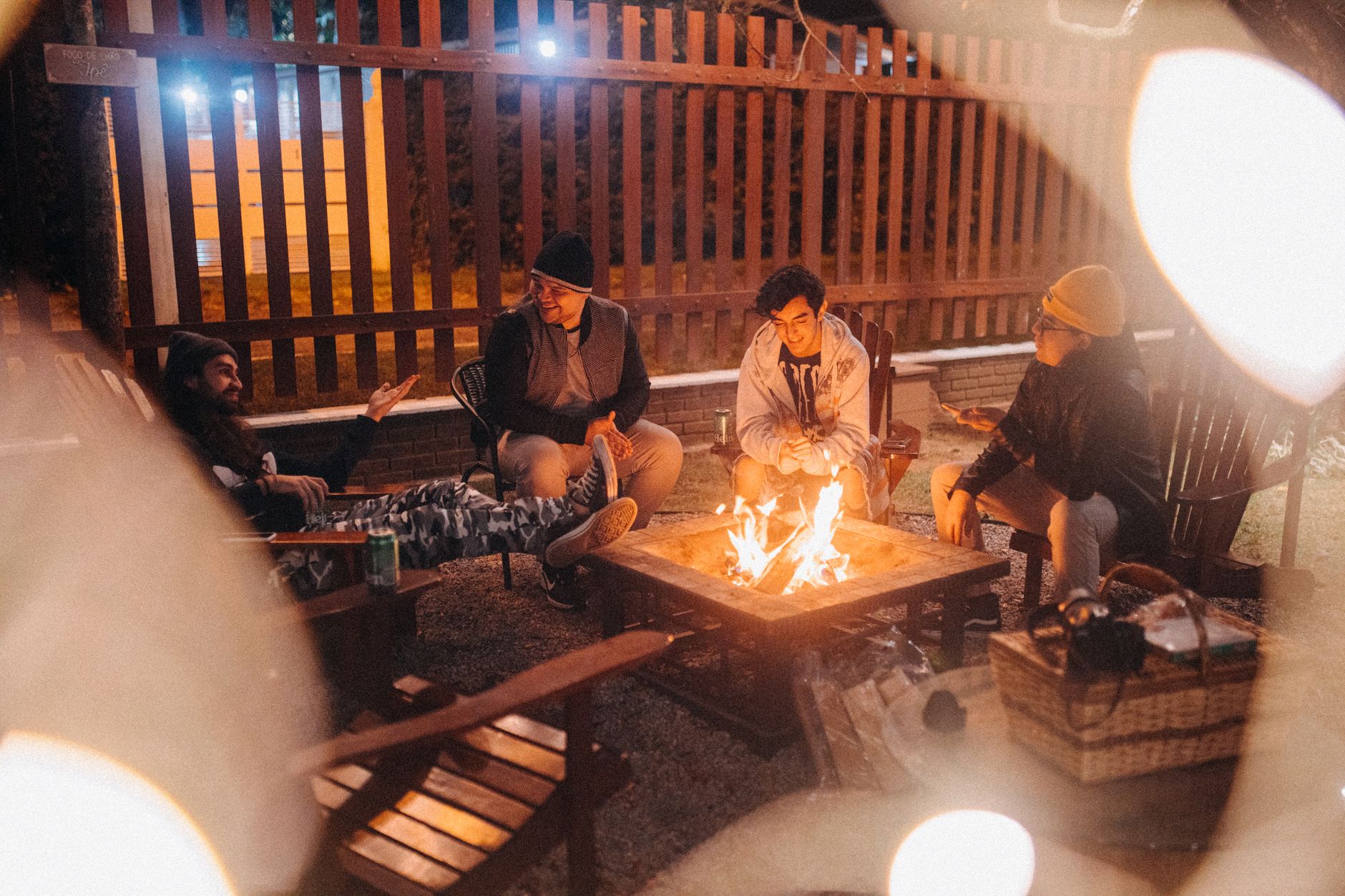
Leave room to change your mind. I resisted the urge to fill every square foot. Open space gives you options later, whether that’s a fire pit, a swing set, or just room to spread a blanket.
The Payoff Was Quieter Than I Expected
I thought the reward would be some big dramatic reveal, the kind where you throw a party and everyone gasps. What actually happened was better and smaller. One ordinary Tuesday, we finished dinner and nobody got up to go inside. The kids stayed out chasing lightning bugs. My wife and I sat on the brick wall with our coffee going cold, talking about nothing in particular.
That was the moment the whole project made sense. Not because it looked impressive, but because it finally worked. The yard stopped being a chore I felt guilty about and became a place we chose to be.
If you’ve got your own neglected patch of grass staring at you this spring, my advice is to start smaller than you think and pay attention to the foundation before the frills. Talk to neighbors about who they’ve trusted with their own projects. Sketch something on the back of a receipt. Pick one corner and make it good before you tackle the whole thing.
You don’t need a huge budget or a perfect vision. You just need to notice how you actually live outside, then build a little around it, one honest decision at a time. The backyard will meet you halfway.