

The first cool morning of fall, I stepped outside with my coffee and actually looked at my house for the first time in months. Not the quick glance you give it while rushing to the car with a travel mug in one hand and a backpack strap in the other, but a real look. The front walkway had a crack running through it like a lightning bolt. Two of the porch bricks had shifted loose. And the flower beds? Let’s just say the weeds had staged a full takeover while I wasn’t paying attention.
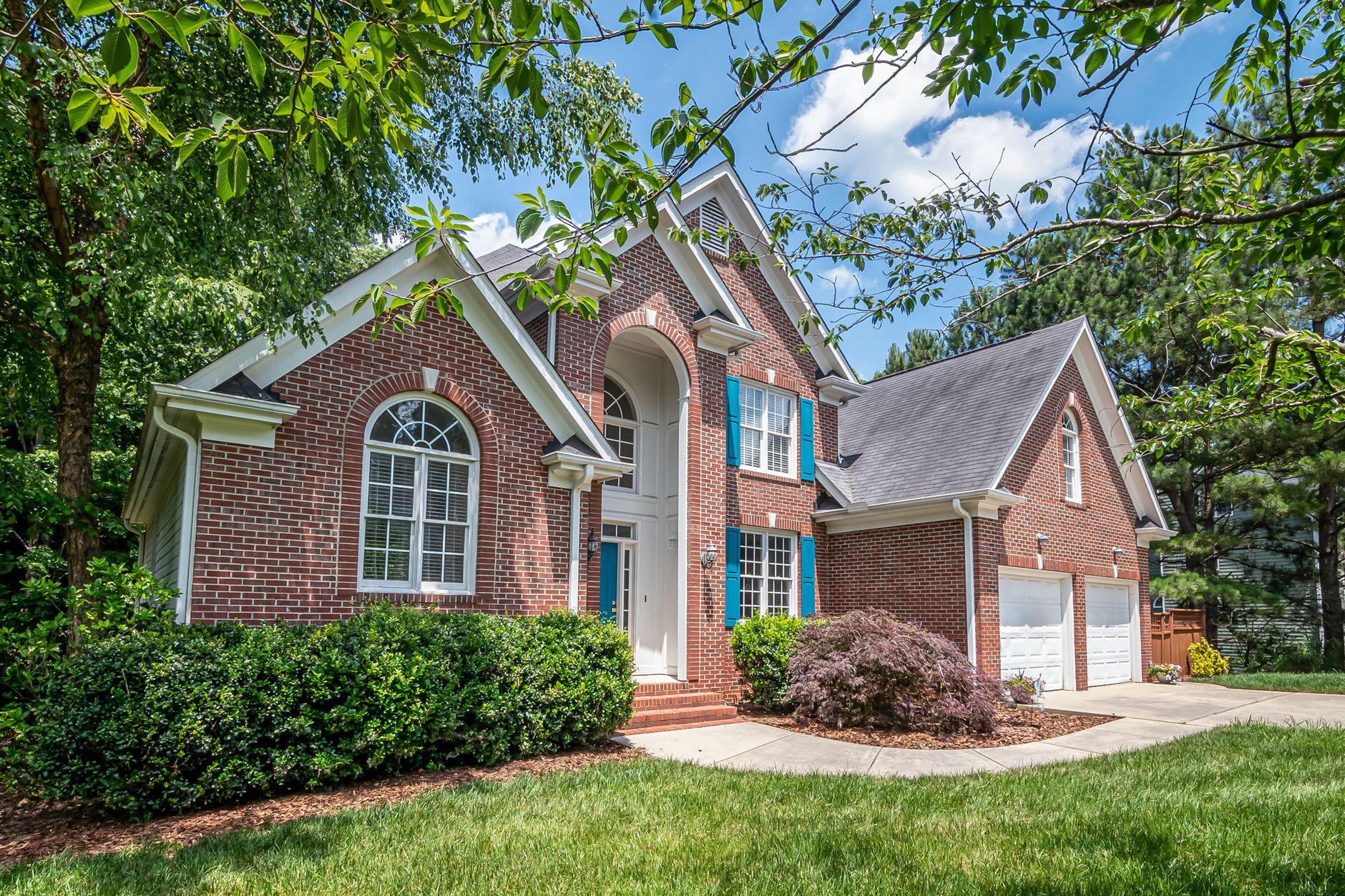
It’s funny how that happens. You live somewhere for years, walk the same path to the door twice a day, and somehow stop seeing the small things falling apart. Then one quiet Saturday it all lands at once.
How Small Problems Turn Into Weekend Projects
My neighbor Dave wandered over while I was standing there frowning at the walkway. He’s the kind of guy who notices everything and has opinions about all of it, but in the helpful way. He pointed at the loose bricks with his coffee cup and said, “You let that go much longer and water’s going to get under there and make it worse.”
He was right, of course. That’s the thing about brick and stonework around a house. A single loose piece doesn’t seem like much, but it’s usually the first sign that something underneath needs attention. Freeze-and-thaw cycles, settling soil, a downspout dumping water in the wrong spot — any of those can slowly pull a solid walkway apart.
I spent the next hour on my phone at the kitchen table, sketching out a rough list. Fix the walkway. Reset the porch bricks. Figure out what to do about the flower beds and that sad patch of grass that never grew right. By the time I finished, my “quick fix” had turned into a genuine project, the kind that makes you realize why people hire out this stuff instead of spending three weekends fighting with a rented tamper.
Knowing When to Call for the Brick and Stone Work
I’m not afraid of a little manual labor. I’ve painted rooms, replaced faucets, and once spent an entire Sunday assembling a shed that came with instructions apparently translated four times. But masonry is a different animal. Getting brick to sit level, cutting it cleanly, matching mortar so a repair doesn’t look like an obvious patch — that takes real skill and the right tools.
After watching a few videos and quickly humbling myself, I started looking into a local shop that handles brick and stone repairs, the kind of place that can match old materials and actually make a fix blend in. I found a Dayton crew that works with brick and stone and reached out to ask about the walkway and porch. What I appreciated right away was that they didn’t try to talk me into tearing everything out. They asked questions about the water drainage, the age of the walkway, and how long the bricks had been shifting.
That conversation alone taught me something. A good repair starts with figuring out why something failed, not just slapping it back together. In my case, part of the problem was that the ground near the porch had settled unevenly over the years, so the fix had to account for that instead of ignoring it.
The Part I Kept Forgetting: Everything Around the Brick
Here’s what I hadn’t thought through. Once you fix the hard surfaces, the tired stuff around them suddenly looks even worse by comparison. Fresh, level brick makes overgrown beds and patchy grass stand out like a stain on a clean shirt.
Dave, ever the strategist, pointed this out too. “You’re gonna redo the walkway and then stand there looking at those weeds thinking, well, now I gotta do that too.” He wasn’t wrong. That’s how these things snowball.
So I started thinking about the whole front of the house as one connected space instead of a bunch of separate chores. The path, the beds, the edging, the little bit of lawn — all of it should feel like it belongs together. That’s the difference between a house that looks maintained and one that just looks… fine.
For the outdoor design side of things, I ended up talking with a landscaping team that helps homeowners plan the bigger picture. I described what I wanted, which honestly boiled down to “less work for me and something that doesn’t look like a jungle by August.” They walked me through options for low-maintenance plantings, better bed edging, and grading the beds so water would actually run away from the house instead of pooling near the foundation. That last part connected directly to the brick problem, which made me feel like the whole plan was finally pulling in one direction.
Timing, Weather, and Not Waiting Too Long
One thing I learned quickly: fall is a surprisingly good time for this kind of work. The ground isn’t frozen, the heat has backed off, and plants have a chance to settle their roots before winter. But it’s also a busy season, because everyone else has the same realization when the weather cools and they finally look at their yards.
Weather almost derailed my plans once already. We had a stretch of rain that pushed the walkway repair back a few days, which reminded me why professionals build buffer time into their schedules. Masonry doesn’t like being rushed in wet conditions, and neither does laying new plantings. Patience isn’t just a virtue here — it’s a requirement if you want the work to last.
I also learned to be honest with myself about budget and priorities. I couldn’t do everything at once, so the crack in the walkway and the loose porch bricks came first, since those were safety and water issues. The prettier landscaping details could wait a few weeks. Breaking it into stages made the whole thing feel manageable instead of overwhelming.
What Actually Made the Difference
By the time the front walkway was reset and level, I caught myself doing something I hadn’t done in years: pausing at the end of the driveway just to look at my own house. The bricks matched. The path felt solid underfoot. The beds had clean edges and plants that looked intentional instead of accidental.
What surprised me most wasn’t the finished look, though that was nice. It was how much better it felt to walk up to my own door. There’s something quietly satisfying about a home that greets you well after a long day, especially during that rushed window between school pickup and dinner when you’re juggling grocery bags and trying to remember if you locked the car.
If your own house has been sending you quiet signals — a cracked path, a leaning garden bed, a tired front entry — my honest advice is to stop walking past it. Take the coffee outside one morning and really look. Figure out which parts are safety issues and which are just cosmetic. Then decide what you can reasonably do yourself and what’s worth handing to people who do it every day.
My front yard isn’t a magazine cover, and I never wanted it to be. It just looks cared for now, the way a home should. And every time I walk up that new path, I’m reminded that the small stuff we keep ignoring usually gets easier the moment we finally deal with it.